
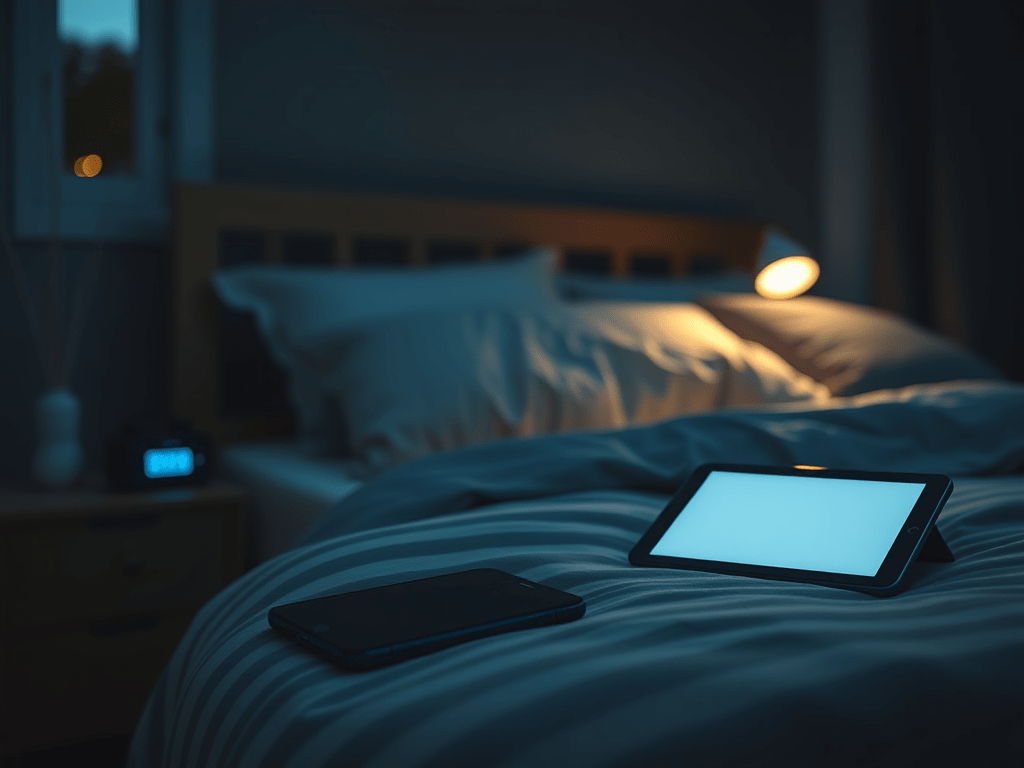
So, The Boyfriend seems to believe that screen time during bed time right before sleeping… is just some wrong opinion I have.
Yesterday, we did a worksheet for the Recovery Program and it involved identifying areas of neuroplasticity that we could work to improve. There were 3 out of 6 types of neuroplasticity listed and then a giant list of specific areas – like sleep, exercise, and meditation. We came up with quite a few that we could both do better at and got the new calendar off the wall to put each category to start making a good habit out of – every two weeks. It asks to do this for the next 6 months, but… we only made it to the beginning of April lol.
Anyway, when I asked what he wanted to start with, he chose meditation/mindfulness for this Saturday (better than weekly on Thursdays). When we looked at the Sleep category and the 5 suggested ways of improving it, I told him I’d choose limiting Screen Time for him, if it were up to me, because it does affect sleep. This is when he started in on me that it was just an opinion. I said that there are scientific studies. He retorted that he’s done this for a long time and never had any problems falling asleep. I dropped it, because what’s the point in trying? He’s showing that he really doesn’t care to know the truth or face that he has an issue with this specific area, so…
I’ll just post some proof here and if he ever reads it, good on him. If not, nothing will have changed anyway and maybe it will help someone else.
Google: studies about screen time before bed
Studies consistently show that screen time before bed harms sleep by delaying sleep onset, reducing total sleep time, and worsening quality, primarily due to blue light suppressing melatonin and stimulating content keeping the brain active, with effects seen in both kids and adults, especially with interactive use or devices in the bedroom. Research indicates using screens in bed increases insomnia risk and cuts sleep by 20-40 minutes, and even having a device nearby worsens outcomes.
Key Findings from Studies:
- Blue Light & Melatonin: Screens emit blue light, which disrupts the body’s natural production of the sleep hormone melatonin, making it harder to fall asleep.
- Cognitive Stimulation: Engaging with content (games, videos, work) activates the brain, counteracting sleepiness.
- Time Displacement: Screen use directly takes away from sleep time.
- Device Presence: Just having a phone or tablet in the bedroom increases poor sleep quality and daytime sleepiness, even if not actively used.
- Impact on Children: Kids with screen time before bed sleep less and later, with impulse control issues exacerbating the problem.
- Adults Affected Too: Large studies confirm screen use before bed is linked to shorter sleep and worse quality in adults, particularly those who are “night owls”.
- Interactive vs. Passive: Interactive screen use (gaming, multitasking) seems more disruptive than passive viewing, though both are bad.
- Insomnia Risk: One large study found screen use in bed increased insomnia risk by 59%.
 Who IS EnchiPants?!